St George Block Wall
(435) 344-4057
Get Pricing Details Today
Cinder Block Wall in St. George UT
Constructing a cinder block wall in St. George, UT can add both strength and style to your property. Whether you are looking to define your yard, add privacy, or create a decorative feature, understanding the cost is key before starting your project. Several factors influence the final price, from materials and labor to wall height and design choices. By knowing what to expect, you can plan effectively and avoid unexpected expenses.
Factors Affecting Wall Construction Costs
The cost of a block wall depends on the materials you choose and the complexity of the design. Standard cinder blocks are more affordable than decorative options, but they can still provide a durable and attractive solution. Labor costs also play a significant role, especially if the wall requires special foundation work or additional reinforcement. A simple wall along a flat surface will cost less than one on uneven ground or with curves and angles. Local pricing in St. George may also influence your budget, so it’s best to get multiple estimates before committing to a contractor.
Labor and Installation Expenses
Labor is often one of the largest parts of a block wall project. Experienced masons can complete the work efficiently, ensuring that each block is properly aligned and secured. Labor rates can differ depending on the contractor’s expertise and project complexity. A professional team will also handle site preparation, including leveling the ground and pouring the foundation. While some homeowners may attempt a DIY installation, hiring a skilled contractor ensures that the wall is safe, stable, and meets local building codes. Quality installation is essential for the wall to last for years without repairs.
Material Choices and Budget Considerations
Cinder blocks come in various sizes and finishes, which can impact both the look and the cost of your wall. Basic gray blocks are usually the most cost-effective, while textured or colored blocks add style but also increase the price. Other materials, such as mortar, rebar, and concrete footings, are necessary to ensure the wall is strong and long-lasting. The total material cost can vary widely depending on the wall’s height, length, and thickness. Planning your design ahead of time can help you stay within budget while achieving the appearance you want.
Extra Costs to Consider
Beyond materials and labor, additional costs may include permits, landscaping adjustments, and drainage solutions. Walls that retain soil or are taller than average might require engineering approval. Decorative elements like caps or finishes can enhance the wall’s appeal but also increase expenses. Understanding all potential costs upfront allows you to plan more accurately and avoid surprises once the work begins. A well-constructed wall adds value to your property and provides long-term benefits, making careful budgeting worthwhile.
If you are planning a cinder block wall in St. George, UT, we can help you navigate the process from design to completion. Our team provides professional estimates, quality materials, and skilled installation for a durable and attractive wall. Contact us today to get started and secure a quote tailored to your project needs.
Our Service Areas
Using Cinder Block Walls in Residential vs Commercial Projects

Cinder block walls are a popular choice for both residential and commercial construction because of their strength, durability, and versatility. These block walls can provide security, privacy, and structural support, making them suitable for a variety of projects. Whether building a home garden wall or a large commercial enclosure, understanding the differences between residential and commercial applications helps in planning a successful project.
Benefits of Choosing the Right Wall Type
Selecting the right type of cinder block wall for your project can save time, reduce costs, and provide long-term reliability. Residential walls can improve property value and enhance outdoor spaces, while commercial walls protect assets and support operational needs. Consulting experienced contractors helps in planning the correct wall height, thickness, and reinforcement needed for each application. A properly designed block wall ensures stability and safety while fulfilling its intended function for years to come.
Residential Cinder Block Wall Uses
In residential projects, cinder blocks are often chosen for privacy fences, garden walls, and retaining walls. Homeowners value them for their ability to withstand harsh weather, require minimal maintenance, and offer a solid barrier against noise and intrusions. A well-built block wall can also enhance the appearance of a property, especially when finished with stucco, paint, or decorative textures. The cost for residential projects typically depends on the wall’s height, length, and any special finishes or patterns that homeowners want to include.
Commercial Applications of Cinder Block Walls
For commercial properties, cinder block walls are used in warehouses, industrial buildings, storage facilities, and boundary enclosures. These walls provide security, fire resistance, and durability under heavy use. Unlike residential projects, commercial walls may need to meet stricter building codes, support larger structures, or integrate with mechanical systems. Contractors often use reinforced blocks and deeper foundations to ensure the wall can handle higher loads and long-term wear. These features make commercial walls a practical investment for businesses seeking safety and low maintenance.
Design and Structural Differences
Residential and commercial block wall projects differ not only in purpose but also in design. Residential walls often focus on aesthetics and landscaping integration, while commercial walls prioritize strength and functionality. Reinforcement, such as steel bars or additional concrete footing, is more common in commercial walls to handle stress and high traffic areas. On the other hand, residential walls can balance durability with decorative elements, like colored blocks or patterned layouts. Knowing these differences ensures the wall meets both safety requirements and design expectations.
If you are considering cinder block walls for a residential or commercial project, our team can guide you through every step. From initial design to professional installation, we provide durable solutions tailored to your property’s needs. Contact us today to discuss your project and receive a detailed estimate for a block wall that is both functional and visually appealing.
Decorative vs Standard Cinder Block Walls: Which Is Right for You?
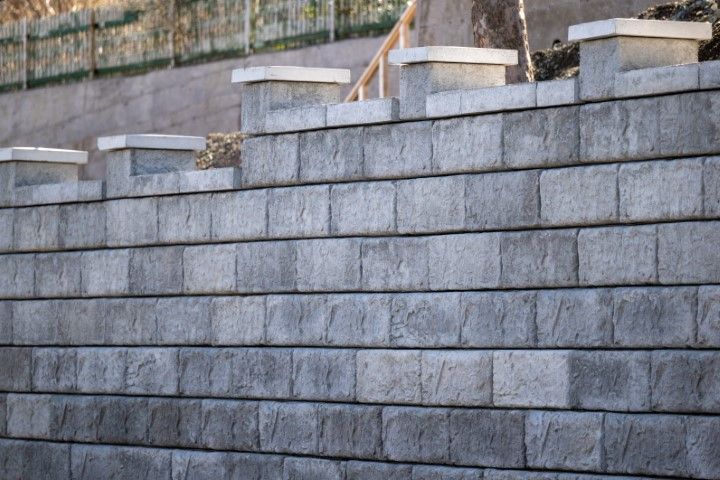
Choosing between a standard cinder or decorative block wall can make a big difference in both style and cost. Whether you want to improve your property’s appearance or simply create a sturdy barrier, understanding the differences will help you make the right choice. Decorative walls add character and curb appeal, while standard walls focus on function and durability. Knowing your priorities and budget can guide your decision and ensure the wall meets your needs.
Understanding Standard Cinder Block Walls
Standard cinder block walls are the most common choice for property boundaries and structural needs. These walls are strong, durable, and designed to last for many years with minimal maintenance. They are typically simple in design, which makes them a more affordable option compared to decorative styles. Standard blocks are ideal for retaining walls, fences, or security purposes, providing a solid solution without unnecessary cost. Their uniform look fits most functional projects and offers a reliable foundation for additional finishes if desired later.
Benefits of Decorative Cinder Block Walls
Decorative cinder block walls go beyond basic function, offering unique patterns, textures, and colors that enhance a property’s visual appeal. These walls can transform an ordinary yard or outdoor space into an attractive feature that complements your home’s style. Decorative blocks can include shapes that allow for airflow, light, or even planting, making them both practical and visually interesting. While the initial cost may be higher, decorative walls provide long-term value by boosting the property’s aesthetics and potentially increasing its market appeal.
Choosing the Right Wall for Your Needs
The choice between decorative and standard walls depends on your goals and budget. If you need a simple barrier or structural support, a standard wall will meet your needs efficiently. For projects where appearance is important, decorative walls allow for creative designs that make a statement. Consider the wall’s location, purpose, and how it complements your property overall. Even with standard walls, you can add finishing touches like paint or stucco to improve the look without the higher cost of fully decorative blocks.
Installation and Long-Term Considerations
Both standard and decorative walls require proper installation to ensure stability and longevity. Skilled contractors prepare the ground, lay the blocks accurately, and reinforce the wall where needed. Proper installation reduces the risk of cracking or leaning over time. Maintenance needs may differ slightly, as decorative walls with intricate designs might require occasional cleaning or minor repairs. Investing in quality materials and professional installation ensures that your block wall remains functional and attractive for many years.
If you are considering a cinder block wall, whether decorative or standard, we can guide you through the process from design to installation. Our team offers professional advice, quality materials, and expert construction to ensure your wall meets both your functional and aesthetic needs. Contact us today to discuss your project and receive a customized quote for your property.